A bigger house means more ceiling, more roofline and more places for heat to slip away unnoticed. Many Richmond Hill homes have complex roofs with several attic sections, cathedral ceilings and bonus rooms, and the insulation is rarely even across all of them. One thin section is enough to make a room uncomfortable.
If your home heats unevenly, work through this list.
1. Check every attic section, not just the one by the hatch
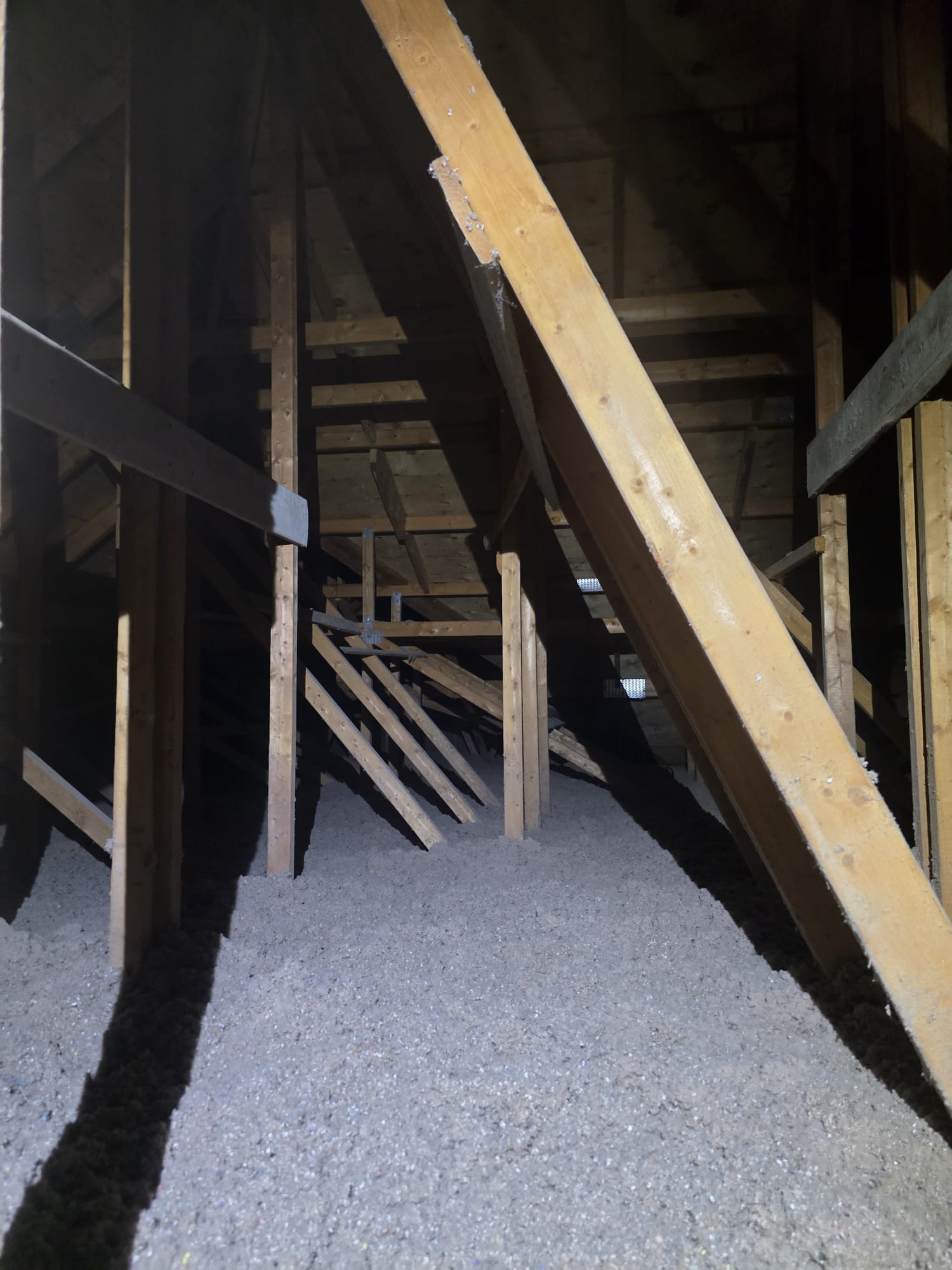
The insulation near the hatch is usually the best in the house because it is the easiest to reach. The far corners, the section over the garage and the spaces behind knee walls are where gaps hide. Our post on bigger homes, bigger attics and blind spots explains where to look.
2. Know how much attic insulation you actually need
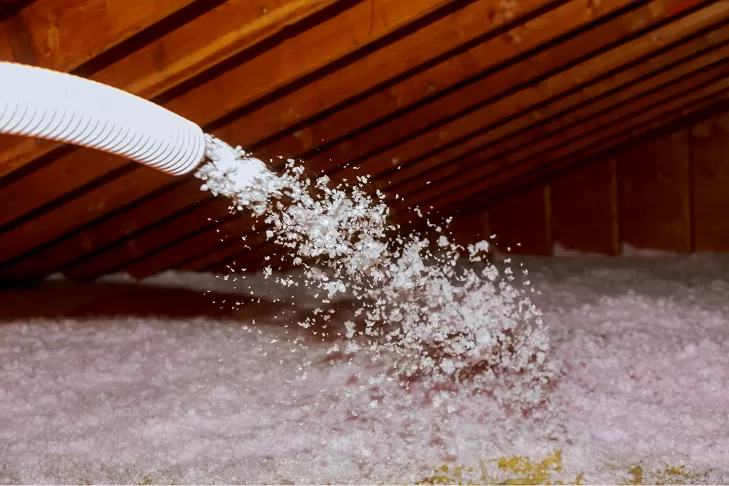
Depth matters more than brand. If the joists are visible, you are short. See how much attic insulation a Richmond Hill home needs, then look at our attic insulation service. We blow in either cellulose or fibreglass.
3. Seal around pot lights and other ceiling openings
Large homes tend to have a lot of recessed lighting, and every fixture is a hole in the ceiling. Natural Resources Canada’s Roofs and attics guide lists air leaks at vents, pipes and electrical boxes as a source of substantial heat loss, and it calls for fire-safety precautions around recessed fixtures. This is a job for someone who knows the clearances. AeroBarrier is an option for sealing the whole envelope.
4. Keep the roof ventilated
More insulation makes the attic colder, so moisture that gets in needs a way out. Baffle installation keeps the soffit vents clear when new material goes in.
5. Fix the room over the garage
It is the most common comfort complaint in two-storey homes. Garage ceiling insulation treats the floor of that room, which is where the cold is coming from.
6. Use spray foam where it earns its cost
Spray foam is not needed everywhere, but it does well on rim joists, cantilevers and awkward cavities. Read where spray foam is worth it and where it is not, or see our spray foam insulation page. Natural Resources Canada notes that basements can lose more heat than a typical attic, so the rim joist is worth the attention.
7. Balance the airflow you already have
Before blaming the furnace, make sure registers are open and unblocked, return grilles are clear, and the filter is fresh. In a large home, a few closed vents can leave distant rooms starved of warm air.
8. Replace insulation that has been compromised
Roof leaks, bathroom fans venting into the attic and rodents all ruin insulation. If any of that applies, see our guide to attic mould and insulation removal and our removal service.
The payoff
The U.S. EPA puts average savings at 15% of heating and cooling costs for homes that air seal and insulate attics, crawl space floors and basements (ENERGY STAR). That number comes from modelling typical U.S. homes, so use it as a ballpark only.
Rebates can reduce the upfront cost. See what the attic insulation rebate actually covers in Richmond Hill and our energy rebate page.
Not sure where your home stands?
Start with how to tell if your Richmond Hill attic needs more insulation before winter, then request an estimate.