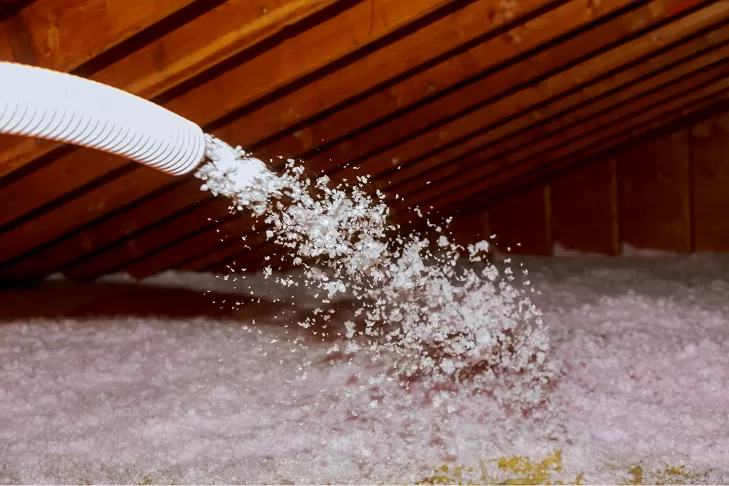
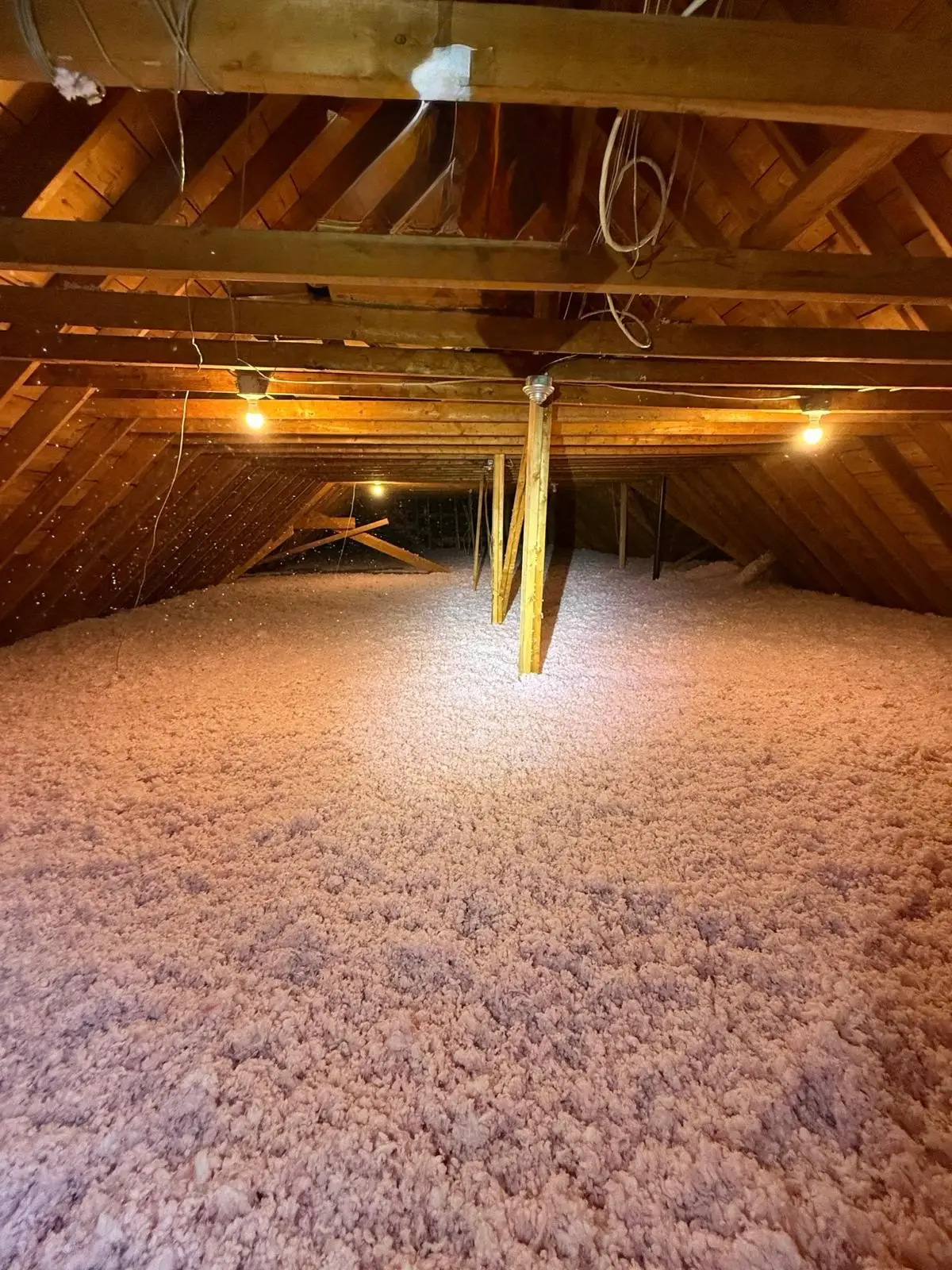
Richmond Hill built out heavily through the 1980s, 90s, and 2000s, and the result is a city full of large, established homes: bigger footprints, higher ceilings, and attics sized to match. Many of these houses are also home to multi-generational families, where grandparents, parents, and kids all share one roof and one heating bill. A bigger, busier home means more square footage relying on the same attic to keep it warm.
Insulation that was perfectly adequate by the standards of 1995 or 2005 usually isn’t adequate by today’s standards, and in a larger home, that gap gets multiplied across a lot more ceiling area. It’s one of the most common reasons homeowners start looking into attic insulation contractors in Richmond Hill after years of steadily rising heating costs.
Adequate Then Isn’t Adequate Now
Building standards for attic insulation have climbed steadily over the past few decades. A home insulated to meet code in the late 1980s or even the early 2000s was compliant at the time, but current recommendations call for meaningfully more. On a smaller home, the difference between old and new standards means a modest amount of extra heat loss. On a large Richmond Hill home with an attic footprint to match, that same percentage gap translates into a much bigger dollar amount on the winter gas bill.
More People, More Reasons Comfort Matters
Richmond Hill is one of the most diverse communities in Canada, and that diversity shows up in household structure too, with a lot of multi-generational homes where several generations live under one roof. A home with more people in it, more rooms in regular use, and more hours of daily occupancy puts steadier demand on heating. When the attic is leaking heat, everyone in that busier household feels it, and the furnace runs harder to keep up.
The Ice Dam Warning Sign
A large attic with degraded or outdated insulation often reveals itself the same way smaller homes do: ice damming along the eaves. Natural Resources Canada’s guidance on roofs and attics is clear that this happens when warm air escaping from the living space below melts roof snow, which then refreezes at the colder eaves. On a bigger roofline, that ice dam can stretch a lot farther, and the eavestrough damage tends to follow.
How We Handle a Larger Attic
- Full inspection across the entire attic footprint, not just a sample section
- Insulation depth and condition check against current R-value targets
- Air-seal review at every penetration, since a bigger attic usually means more of them
- A quote scaled to the actual square footage, not a flat one-size estimate
We seal air leaks before installing new insulation. On a large attic, skipping that step just means paying to insulate over a problem that keeps leaking heat regardless.
The $1,250 Rebate
Ontario’s Home Renovation Savings program, run jointly by Enbridge Gas, Save on Energy (IESO), and the Ontario government, currently offers a $1,250 rebate for attic insulation upgrades, up from the previous $1,000. A standalone attic insulation project doesn’t require a home energy assessment to qualify. Pro Insulation Contracting manages the rebate paperwork as part of the job.
Find Out What Your Attic Is Costing You
A bigger home shouldn’t mean a bigger unnecessary heating bill. Contact Pro Insulation Contracting to schedule an inspection and see how your attic measures up against current standards.